![]() |
|
|
Sourcebook Teaching Tips
Special Needs Students
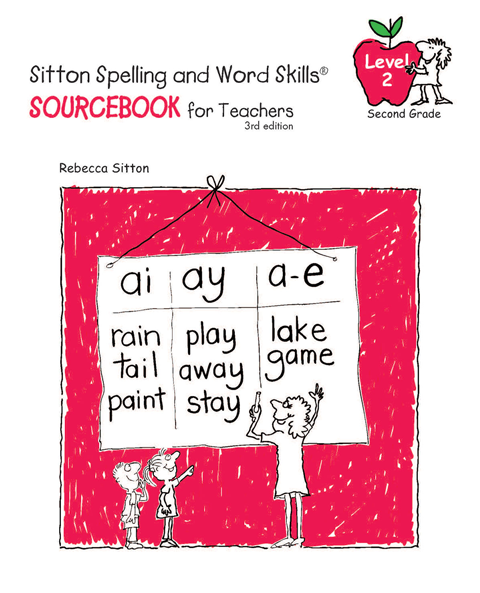
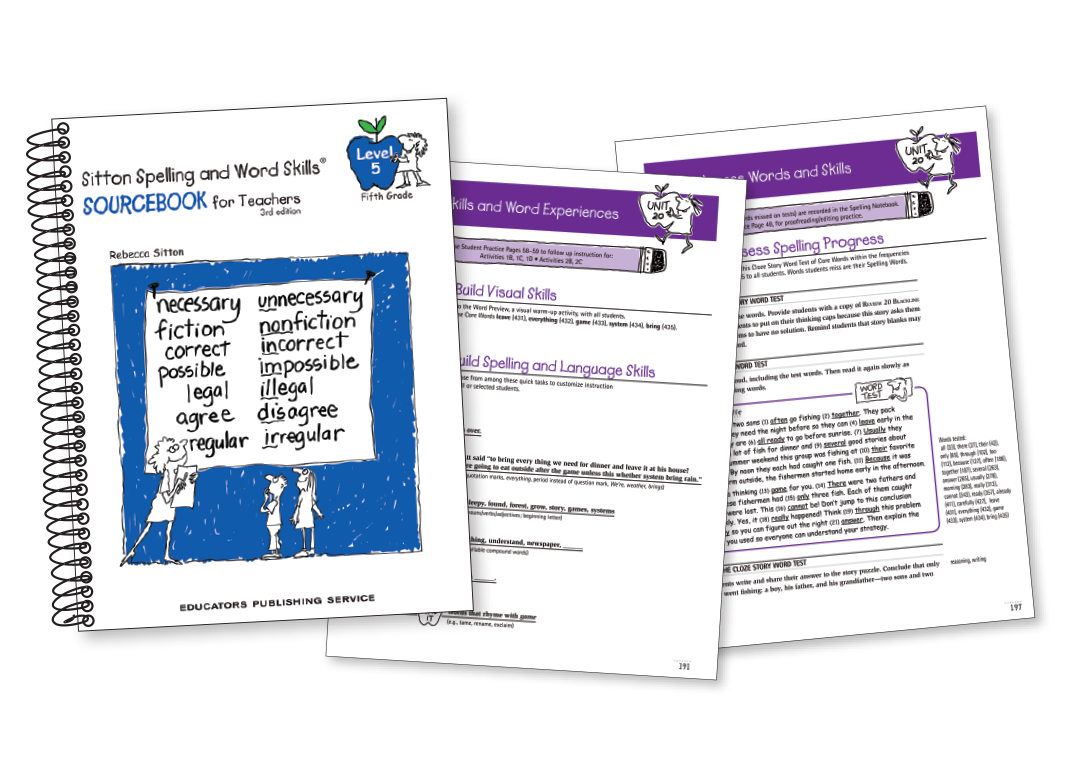
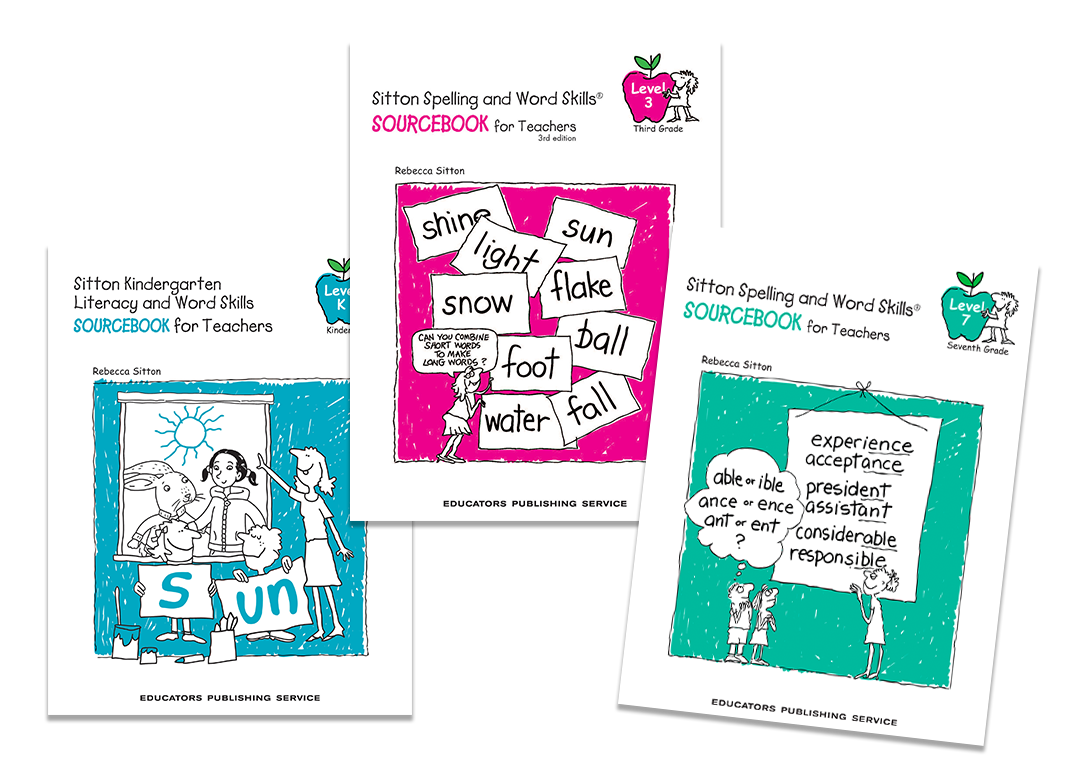
Nearly every classroom has some students who will be challenged by the spelling, word-work activities, and tests in the Sourcebook, while other members of the class do not find the same work difficult. For this reason, the Sourcebooks have been designed to accommodate a wide range of abilities, spanning at least a grade level above and a grade level below the indicated level. To help meet the needs of struggling students, the section of the Teaching Notes called Students with Spelling Challenges provides quick, practical, efficient ideas. This is a good place to start meeting the needs of students who require spelling and word work modifications to be successful. For example, students who consistently miss about half the words on a Cloze Story Word Test need extra help. In this section of the Teaching Notes, read the information next to the side note question: Can students challenged by spelling participate in the Word Test? Of course they can, and the details for how to do it are right there, Students with Spelling Challenges, for on-the-spot assistance. Other suggestions in this section are similarly worthwhile. Special Education teachers will probably find that further modifications are necessary for their students. The question asked most often by Special Ed teachers is about student placement. The rule of thumb is this—the level of the Sourcebook should be matched to a student’s reading level. Since every Sourcebook spans about three grade levels, students who are reading a little above or below the indicated level can be comfortably accommodated. In other words, when teachers are grouping their students for Special Ed instruction they can form a group of students whose reading levels span about three years. For example, one instructional group for Special Ed may have students who read on about the second grade level, third grade level, and fourth grade level. The Level 3 Sourcebook would generally be best for these students. A span of student abilities within a Special Ed instructional group has benefits just like it does for the regular classroom teachers. It reduces teacher planning time and allows students of somewhat varying abilities to learn from each other through robust discussions and active word explorations. The Special Ed teacher can use the Sourcebook with Special Ed students just like a classroom teacher uses a Sourcebook in the regular classroom. After a concept is introduced, follow-up work is flexible and activities can be selected to meet the varying needs of the students. Students who have the highest level of mastery of a concept do a more sophisticated follow-up activity, while other students complete an activity that is less difficult. The positive feedback Special Education teachers have provided is exemplary. They particularly like the skill work. This is because they, like other Special Ed teachers, have discovered that their students do not memorize information well for its long-term retention. Their students need a solid foundation on which to build spelling and word skills that supports their entire communication experience. It is critical for these students to discover the connections among all the language skills rather than to attempt to learn each separately—never to understand their interconnectedness, never to fully master any one of them. Further, Special Ed teachers remark, “The extensive review of the skills and the Core Words is something our students require for mastery.” Yet the general classroom teachers say that the review is good for even their most capable learners. About the intense recycling of Core Words, general classroom teachers say “Just when we think students have mastered a word for sure, they miss it again!” Indeed, review is necessary for all students for a skill as difficult as learning to spell the English language! It is the Special Education student who needs a teacher with plenty of tools in the instructional tool chest—integrated skill work, review, flexibility. The Sourcebook makes every effort to offer these teachers a solid, research-based resource so that they, the professionals in the classroom, can create just the right curriculum for their special students.
|
|
|
Call us toll free 888-WE-SPELL (888-937-7355) or visit us at www.epsbooks.com/sitton
Published three times per year by Educators Publishing Service |
|