appleseed header
  March 2009
Ask Rebecca

Rebecca,

How can my students, their parents, and I keep track of the Spelling Words? The recordkeeping is unmanageable now that the spelling lists have grown throughout the school year! When can we cross words off the lists?

Paula Gothier,
Grade 3

Dear Paula,

If a program is going to succeed, it must be manageable. Teachers, students, and their parents have successfully managed the Spelling Words in multiple ways, all very practical and time effective. Let’s figure out a way you can conveniently achieve the same thing for your class, your students, and their parents. Let’s also explore how easy-to-manage recordkeeping can improve instruction to increase student achievement.

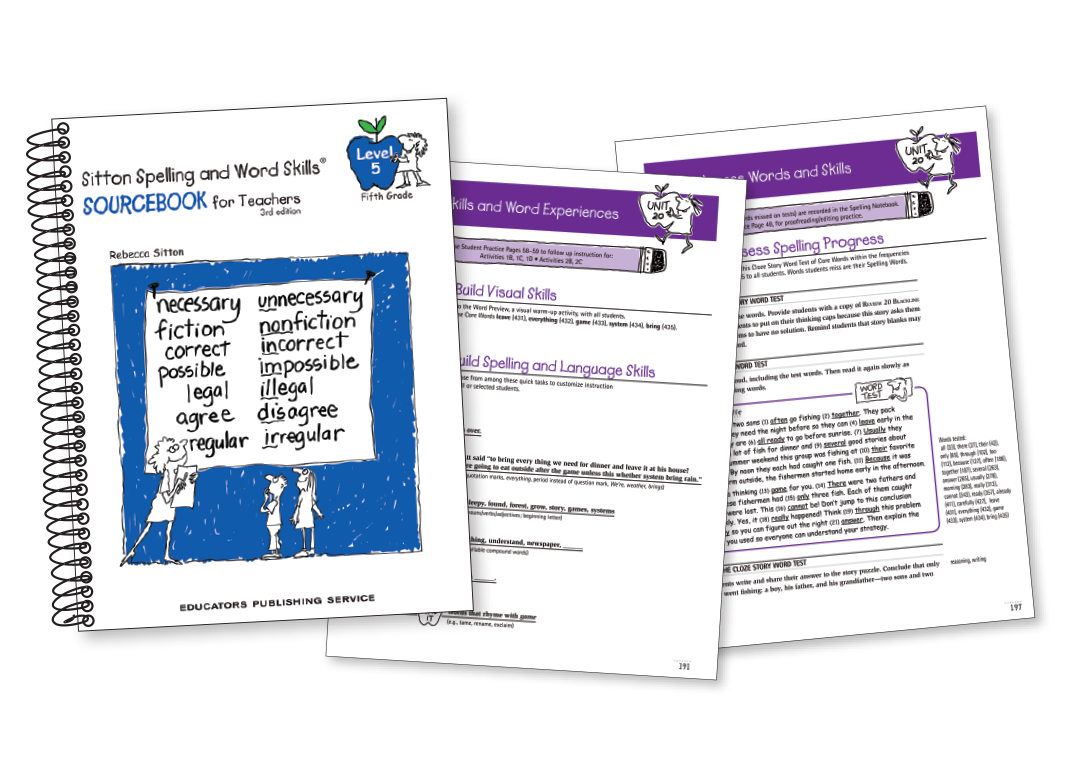
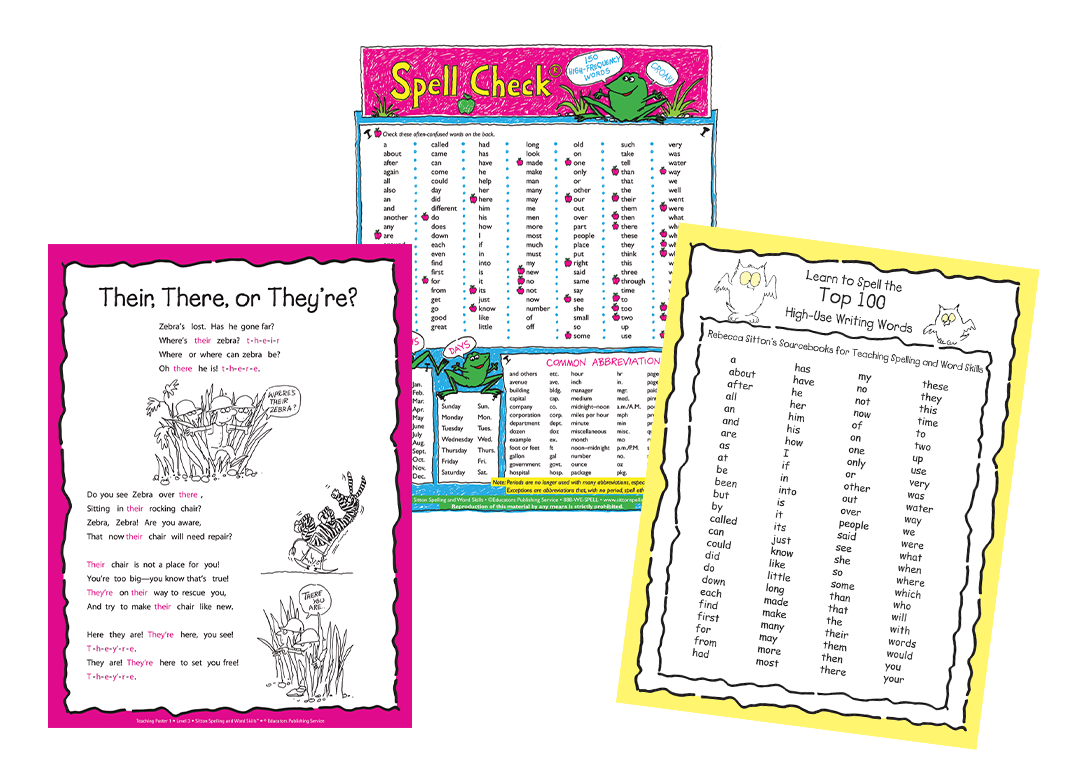
First, make sure to identify for students and parents the words to focus on for the school year. Perhaps you have already sent home the Core Words list and provided a copy to each student. This is an alphabetical list of all the words that will appear on the Cloze Story Word Tests at the students’ grade level. (If parents feel this list is intimidating, please remind them that their child undoubtedly knows the spelling of many of these words from previous years’ study or from other sources.) The Core Words students miss on a test become their own, individualized Spelling Words.

One way the Sourcebook program is different from other programs is that students are afforded ongoing opportunities to learn to spell all words on the Core Words list. It serves no purpose for a student to spell a word correctly on one test—then that’s it! Authentic spelling mastery takes place over time with many exposures to the words. Once a student has mastered these words with ease in everyday writing, then writing is easier.

Because the Spelling Words are the words students miss on their Cloze Story Word Test, the test reveals to you, the students, and their parents which words need study. For you to identify these words easily, circle the words missed for each student on their test paper. Then have your students use their copy of the Core Words list to fix the words on their test. Then they, not you, list their Spelling Words on a take-home Words to Learn sheet and write the same words in their at-school Spelling Notebook. They will then have two running records of words for careful study—one for home and one for school. These two program components store the Spelling Words so that teachers, students, and parents can work cooperatively to ensure mastery.

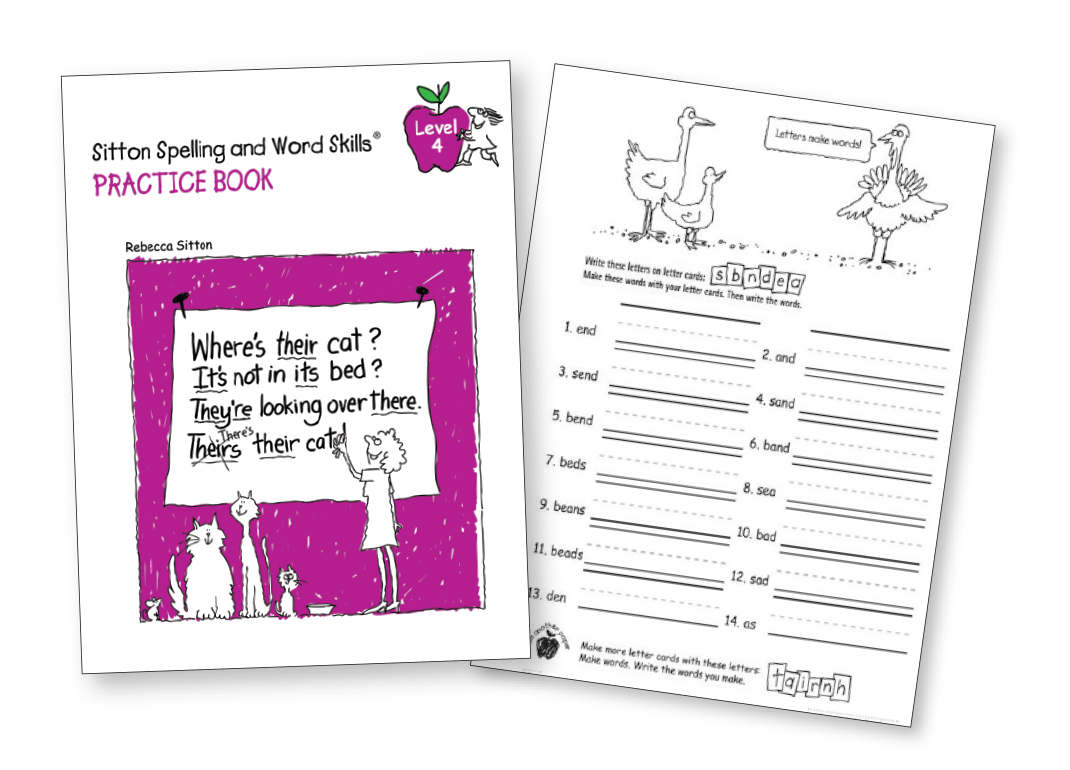
Many teachers like to duplicate the blackline master, Ideas for Word Study, on the back of every Words to Learn sheet that is taken home. This way, parents are frequently reminded of how to help their child study the words. Suggest to parents that the take-home sheets be kept in a special place at home for review and study—a parent-child partnership activity. Any word that occurs on more than one Words to Learn sheet deserves careful study, since it has challenged the child on more than one Cloze Story Word Test.

Each student’s Spelling Notebook is both your recordkeeper and the student’s recordkeeper for all Spelling Words. Often, the Spelling Notebook’s running recordkeeper shows that the same word is listed more than once. That occurs when a student spells the word incorrectly on more than one Cloze Story Word Test. Not to worry. As students study the word and it later recurs on subsequent tests, students learn it.

Teachers frequently ask whether students should cross Spelling Words off the running recordkeeper. No. Instead, have students mark a tally next to the word each time they spell the word correctly on a subsequent test. If a word is crossed out in the Spelling Notebook, it suggests that a student need not pay attention to it. On the contrary, let the tallies show progress! It’s important for every child to realize the positive consequences of practice. Be careful not to set a student up to fail and misspell a word because it was eliminated from the study list.

Now you have two running records of words for careful study. One system for the home, the Words to Learn sheets, that alert the parents which words on the Core Words list warrant attention. The other system for school, the Spelling Notebook, that houses the Spelling Words, differentiated to each student’s spelling needs.

Teachers have little control over the time or quality afforded for at-home work with Spelling Words. However, at school students can study their Spelling Words independently or at teacher-designated times with a partner or small group. Teachers can refer to students’ Spelling Notebooks to observe words that recur, then they can target these words for discussion for the whole class, a small group, or for an individual. For example, teachers might note these word properties—are they homophones, plurals, often-confused words, Surprise Words, or words with affixes? This information can guide lesson planning in upcoming units, as these topics automatically reappear. This is a system that increases student achievement—teaching what needs to be taught! And, Paula, the recordkeeping system made it possible!

Rebecca Sitton